The Starter Tea Pantry Checklist: 10 Essentials for New Tea Drinkers
A tea shelf rarely starts as a decision. It starts with one tin you enjoyed, a gift from a friend, a bag of something unfamiliar from a market stall. Then a year passes and you own nine teas, three of which you cannot remember buying.
That drift is fine, but it makes learning slow. A better approach for anyone new to tea is to build a small, deliberate pantry: four or five leaves that cover different moods, a few tools that remove guesswork, and storage that keeps everything tasting fresh long enough to finish. Here is what to gather, roughly in the order it starts paying for itself.
Start with teas that do not overlap
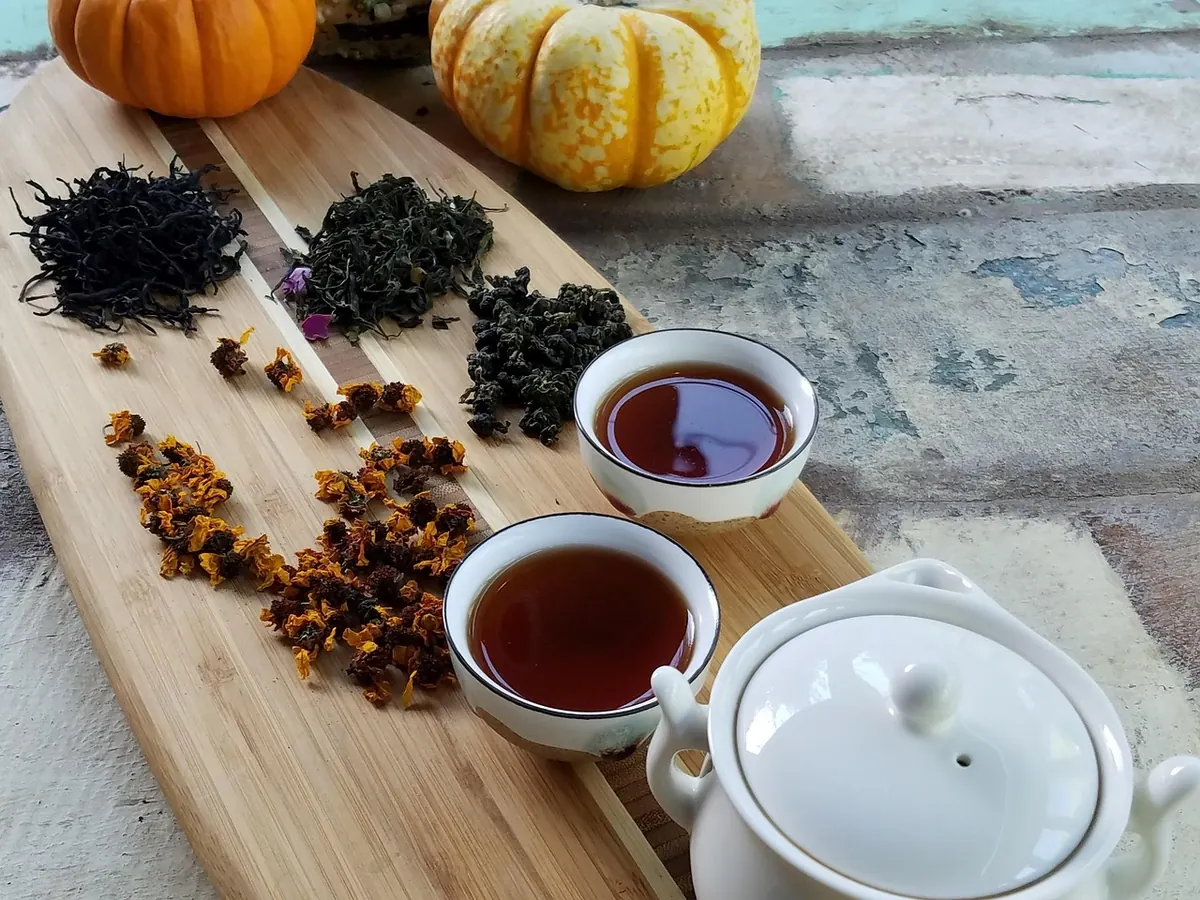
Beginners often buy five versions of the same thing — a Darjeeling, an Assam, an English breakfast — then wonder why every cup feels similar. Choose by contrast instead. A black, a green, an oolong, and one more for range is enough to teach your palate a lot.
- A black tea. Keemun, Assam, or a Ceylon. Forgiving with water temperature, and good with milk if that is how you drink it.
- A green tea. Sencha, dragon well, or a simple gunpowder. Fresh and grassy, and the fastest way to learn why brewing temperature matters.
- An oolong. A roasted tieguanyin or a lightly oxidized Taiwanese oolong. Oolongs rebrew well, so a small amount goes far.
- One wildcard. A white tea such as bai mudan, a ripe pu-erh, or a smoked lapsang. This is the tin that keeps your shelf interesting.
- A tisane. Peppermint, chamomile, or rooibos, for evenings when caffeine is not what you want.
Buy small. Fifty grams of loose leaf is a sensible first purchase for most teas: you can finish it before it fades, and you will not feel stuck with something you dislike. If a shop lists a harvest year or picking season, that is a good sign. If it does not, ask.
The brewing gear worth owning
You do not need a cabinet of ceramics. You need one reliable way to separate leaves from water, and one way to see what you have brewed.
An infuser basket
A stainless basket wide enough for the leaves to swell, sized to fit your usual mug or small pot. Skip the tiny ball-shaped infusers; leaves need room to open.
A gaiwan or a small teapot
A 100–150 ml gaiwan is inexpensive, easy to clean, and lets you pour off a brew in a couple of seconds. If the lid-and-hand technique sounds fussy, a small teapot with a wide mouth works just as well.
A cup you can read
A white or pale interior shows the colour of the liquor, which is your best clue about whether a steep is too long, too weak, or just right. A plain mug does the job. A small tray underneath saves your desk.
Two small tools that fix most bad cups
Most disappointing tea is a measurement problem or a temperature problem, not a leaf problem.
A digital kitchen scale reading to a gram, or better 0.1 g, settles the first. As a rough starting point, use about 2 to 3 grams of leaf per 250 ml of water for a mug-style brew, then adjust. Too thin, add leaf. Too bitter, use less or shorten the steep.
A thermometer, or a kettle with temperature settings, settles the second. Green and white teas generally want water well below boiling, somewhere in the 70–85°C range. Oolongs sit around 85–95°C. Black teas and pu-erh take water close to boiling. A timer, or the one on your phone, rounds out the kit: start with two to three minutes, taste, and adjust.
Storage that keeps tea tasting like tea
Tea is dried, not dead. It takes on moisture and smells, and it fades in light and heat.
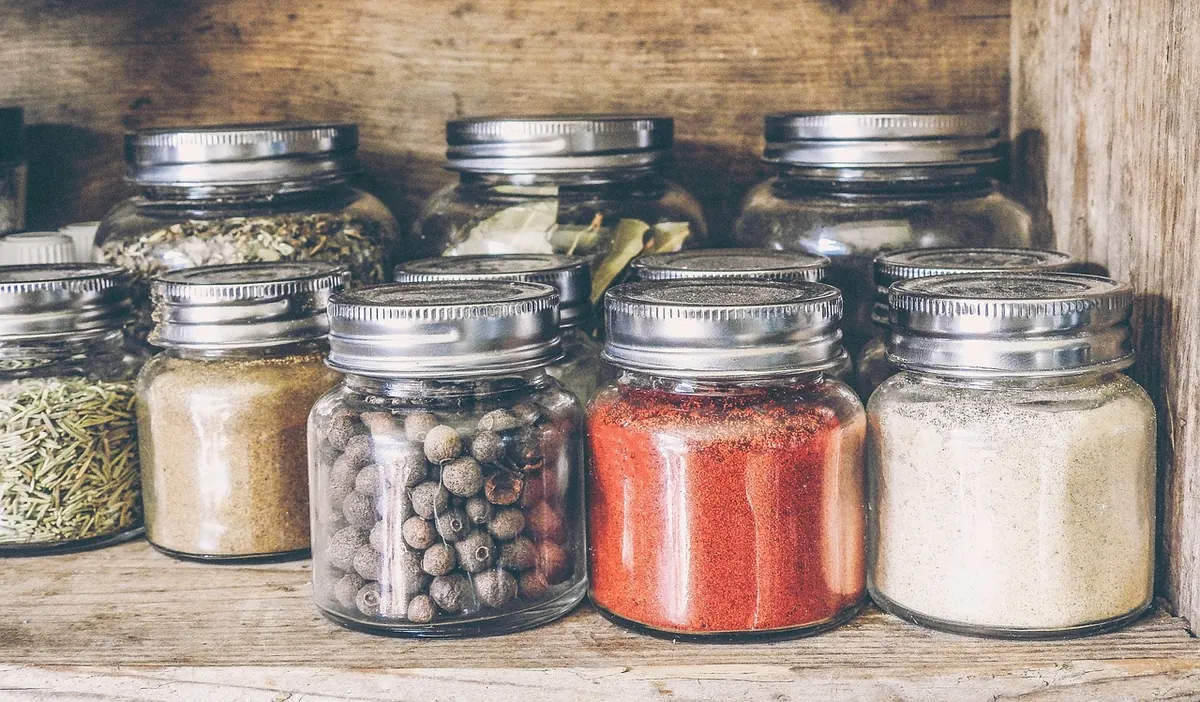
- Use small, airtight tins — small enough that you open them often but empty them within a few months, because every opening lets air in.
- Keep them dark and cool, away from the stove, the kettle, and the windowsill.
- Store separately. Pu-erh, smoked teas, and anything flavoured should not sit beside delicate greens.
- Label and date each tin. A strip of tape and a pen is enough, and it will tell you a lot about what you actually drink.
Refrigeration helps green tea hold its freshness, but only if the tin is genuinely sealed; otherwise the leaves pick up whatever is nearby. If you do chill your tea, let the tin come to room temperature before opening it.
The ten essentials at a glance
- A black tea
- A green tea
- An oolong
- A white, dark, or smoked tea for contrast
- A caffeine-free tisane
- A wide infuser basket
- A gaiwan or small teapot
- A digital scale
- A thermometer or variable-temperature kettle
- Two or three airtight, labelled tins
How to build the shelf without wasting money
Do it in three passes rather than one order. First, buy two teas you are fairly sure you will like and drink them until you can brew a cup you would happily serve someone. Then add the infuser and the scale, because by that point you will notice the difference they make. Finally, add the remaining teas and the tins, keeping the tins empty until you need them.
Write one or two notes per tea as you go — leaf amount, temperature, steep time, whether you liked it. That habit is worth more than any single piece of equipment here. If you plan to drink herbal infusions daily and you are pregnant, managing a health condition, or taking regular medication, check with a doctor or pharmacist first; a tisane that seems gentle can still interact with what you are taking.
Start small, keep notes, and let the shelf grow from what you actually finish. That pantry will be more useful than a cupboard full of forgotten tins.
Photo: monicore / Pixabay
Autumn Tea Pairings: 6 Warming Teas and Simple Snacks for Cool Evenings
Six fall tea pairings that match spiced, roasted, and earthy brews with easy snacks — cardamom-apple...
How to Read Tea Labels: Decoding Origin, Grade, and Harvest Terms
Tea labels are easier to read once you know which words describe origin, grade, harvest, and freshness....
About Us