Masala Chai from Scratch: A Simple Spiced Milk Tea Recipe
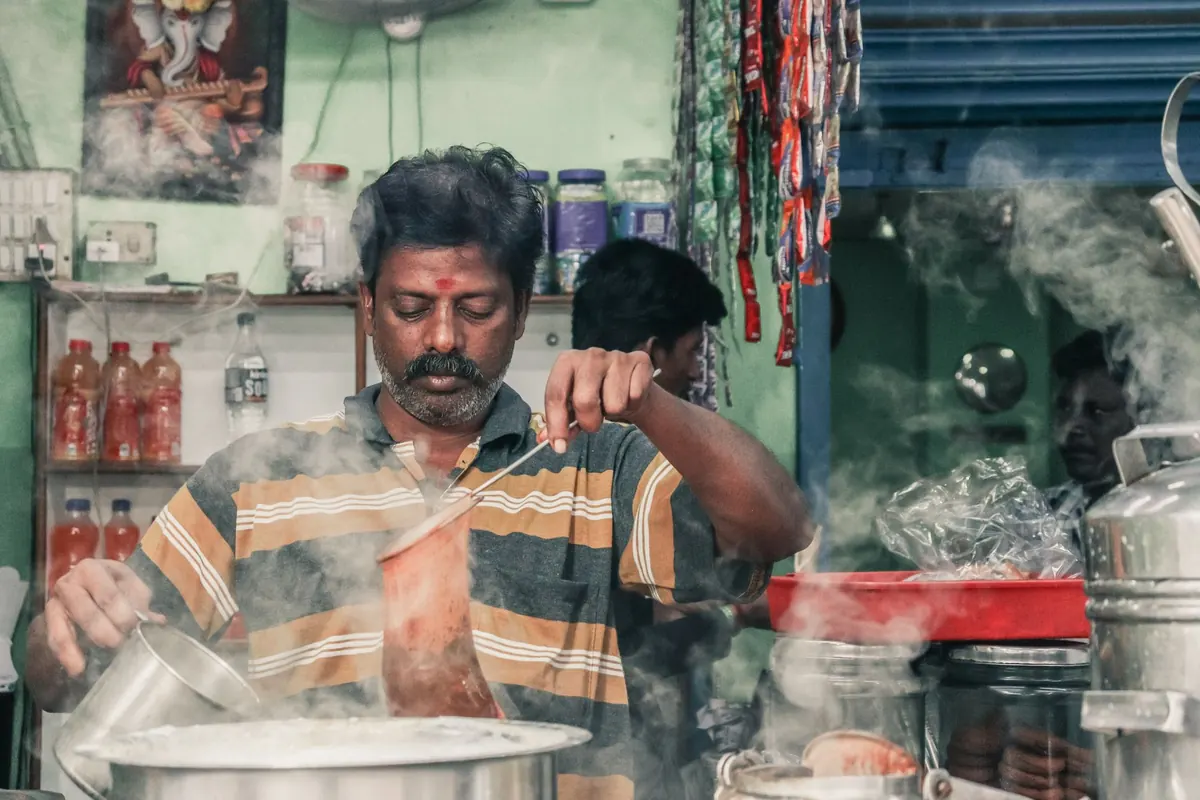
Masala chai has a reputation problem outside India. Order it from a chain coffee shop and you get a cinnamon-dusted powder stirred into hot milk — pleasant enough, but not really chai. The real thing is brewed: strong black tea simmered on the stove with water, milk, and a handful of whole spices, then strained into small glasses while it is still steaming. It takes about ten minutes and no special equipment beyond a saucepan and a sieve.
What follows is a home version built for a normal kitchen, with ratios that scale up for guests and enough flexibility to survive whatever is actually in your spice drawer.
What You Need for Two Cups
- 1½ cups water
- 1 cup whole milk, or a little more if you like it creamy
- 2 teaspoons loose-leaf black tea, or 2 tea bags — Assam is the classic choice
- 1-inch piece of fresh ginger, grated or crushed
- 4 green cardamom pods, cracked open
- 1 short cinnamon stick, or a scant ¼ teaspoon ground cinnamon
- 2 cloves
- 4 black peppercorns
- Optional: ½ teaspoon fennel seeds, 1 star anise, a scrape of nutmeg
- Sugar to taste, roughly 1 to 2 teaspoons per cup
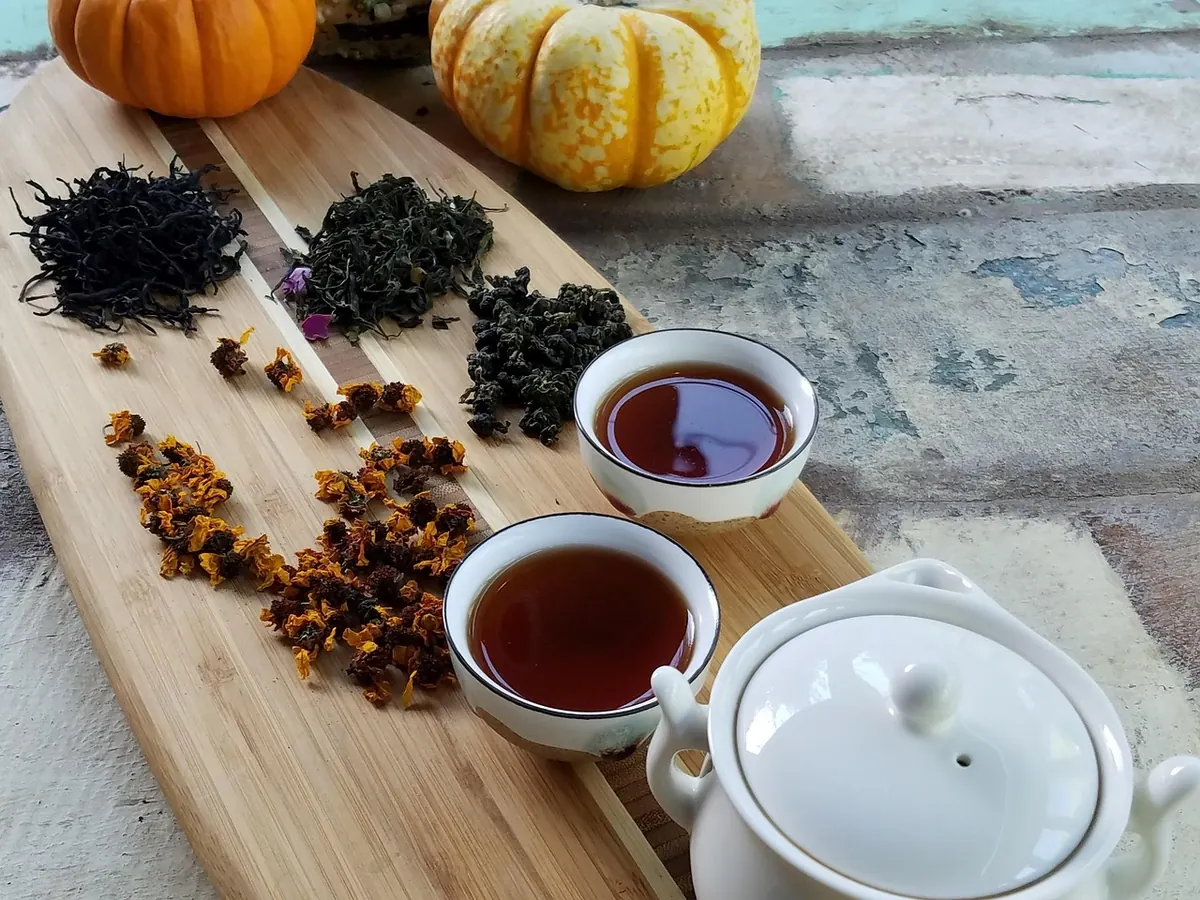
For the tea itself, you want something brisk and malty. Assam, Ceylon, or a strong English or Irish breakfast blend all work. Delicate first-flush Darjeeling and most green teas disappear under milk and spice, which is a waste of good leaf.
Whole Spices vs. Ground
Whole spices cracked under a mug or in a mortar taste rounder and sweeter, because their oils are still sealed in. Pre-ground spices fade quickly once the jar is open and can turn a cup dusty and flat. That said, ground is fine in a pinch — start with half the amount, taste, and add more next time.
What Each Spice Is Doing
Ginger is the backbone. It gives chai its warmth and a slight bite at the back of the throat, and it is the one spice most people would miss first. Cardamom is the perfume — floral, almost minty, and the reason a good cup smells the way it does before you taste it. Cinnamon brings sweetness without sugar. Cloves are loud: two is plenty for two cups, and four will flatten everything else. Black pepper adds heat that arrives late, after the milk has coated your tongue.
Fennel and star anise are optional but lovely, especially in colder months. Fennel leans sweet and cooling; star anise is so assertive that a single pod is enough for a full pot. If you only keep three spices in the house, use ginger, cardamom, and cinnamon. That combination alone makes a convincing cup.
The Ratio That Matters
Most disappointing homemade chai is not under-spiced — it is under-brewed or drowning in milk. A reliable starting point is three parts water to two parts milk, with one teaspoon of loose tea per cup. The water does the extracting; milk added too early mutes the tea and scorches easily at the bottom of the pan.
Add sugar during the simmer, not after. It dissolves completely, softens the tannins, and makes the spices read more clearly. You can always add more at the table, but you cannot take it back out.
How to Make It, Step by Step
- Crack the cardamom, cloves, peppercorns, and cinnamon lightly, just enough to break them open.
- Put the water and all the spices, including the ginger, in a small saucepan. Bring to a boil, then lower the heat and simmer gently for 2 to 3 minutes. This wakes the spices up before the tea goes in.
- Add the tea and simmer for another minute, until the water is dark and smells strongly of tea.
- Pour in the milk and add the sugar. Raise the heat until it just comes to a boil, then drop it to a low simmer.
- Simmer for 3 to 5 minutes, stirring now and then, keeping an eye on the surface. When it starts climbing the pan, lift it off the heat for a second and set it back down. This is normal and, honestly, part of the ritual.
- Taste. If it is weak, simmer another minute. If it is too strong, splash in a little hot milk.
- Strain through a fine sieve into two cups and drink it hot.
When It Goes Wrong
Bitter and drying. The tea was boiled too hard or too long. Keep it at a simmer and pull it off the heat the moment the color and aroma are right.
Thin and milky. Too much milk, not enough tea. Increase the leaf by half a teaspoon and give the spices their full simmer.
Muddy, with no distinct spices. Usually too many cloves or too much ground spice. Strip it back to ginger, cardamom, and cinnamon and rebuild from there.
Milk sticking to the pan. Use whole milk, stir more often, and never walk away during the final simmer. Very lean milk and some plant milks separate more readily; oat milk tends to hold up well.
Variations Worth Trying
Kadak chai is the strong railway-station version: less milk, more tea, and a longer boil. It is bracing and best in small glasses. Adrak chai skips everything but ginger — a clean, sharp cup that is excellent with breakfast. For a dairy-free version, oat or cashew milk works better than almond, which can taste thin. And if you want it iced, brew it double strength, strain, chill completely, then pour over ice; adding hot chai to ice just gives you weak, lukewarm tea.
Make It Your House Chai
Measure your version once, write it on a card, and stick it inside the spice cupboard. Every household's chai is a little different, and that is the point — the recipe is a starting line, not a rule. Keep whole spices in a dark jar rather than a rack above the stove, buy them in small amounts, and replace them when they stop smelling sharp.
One practical note: chai carries caffeine and usually sugar and dairy, so if you are watching any of those, adjust the cup rather than abandoning it — half the sugar still tastes good, and a smaller serving is often enough.
Photo: GOWTHAM AGM / Pexels
Autumn Tea Pairings: 6 Warming Teas and Simple Snacks for Cool Evenings
Six fall tea pairings that match spiced, roasted, and earthy brews with easy snacks — cardamom-apple...

How to Read Tea Labels: Decoding Origin, Grade, and Harvest Terms
Tea labels are easier to read once you know which words describe origin, grade, harvest, and freshness....
About Us