8 Tea Accessories Worth Buying (and 4 You Can Skip)
Somewhere between a five-dollar strainer and a machine that costs as much as a decent bicycle, there is a version of tea gear that actually earns its shelf space. Most of us learn the difference the slow way: the drawer full of abandoned gadgets, the tin that went stale, the infuser that was pretty and useless. Here's the shortlist worth your money, plus the four purchases you can happily walk past.
The Essentials That Earn Their Keep
If you buy nothing else, buy these. They're cheap, unglamorous, and used every single day.
A digital scale
Tea is sold by weight, so it makes sense to brew by weight. Eyeballing a scoop works for one tea in one mug, but change leaf size and your cup swings from thin to bitter with no explanation. A kitchen scale that reads to 0.1 g removes the guesswork. As a starting point, many teas brew well at roughly one gram of leaf per 100 ml of water, then you adjust up or down to taste. Oolongs and aged pu'er usually want more leaf; delicate greens often want less.
A kettle with variable temperature
Boiling water on a delicate green tea is the fastest way to make it taste like wet hay. A kettle that holds a temperature — 70–80°C for greens, 85–95°C for oolongs, near boiling for blacks and pu'er — is the single biggest upgrade to your daily cup. Look for one that lets you set a temperature and hold it, not just a set of preset buttons for drinks you'll never make. If your budget only stretches to one electric purchase, this is the one.
A basket infuser sized to your mug
Skip the mesh balls. Get a stainless basket that sits inside your mug with room for leaves to open — a deep, wide one with generous holes. Tea needs to move. When leaves are crammed into a small cage they steep unevenly, and the fines clog the mesh so you end up with a gritty cup. Rinse it under the tap and it's clean in five seconds, which matters more than you think at 6 a.m.
A timer you'll actually look at
Your phone works. So does a basic kitchen timer that lives next to the kettle, if you'd rather not unlock a screen every time you pour. Either way, steep times matter most for the first few brews of a new tea, and after that your mouth remembers.
Worth Adding Once You Know You'll Stick With It
A gaiwan or a small clay pot
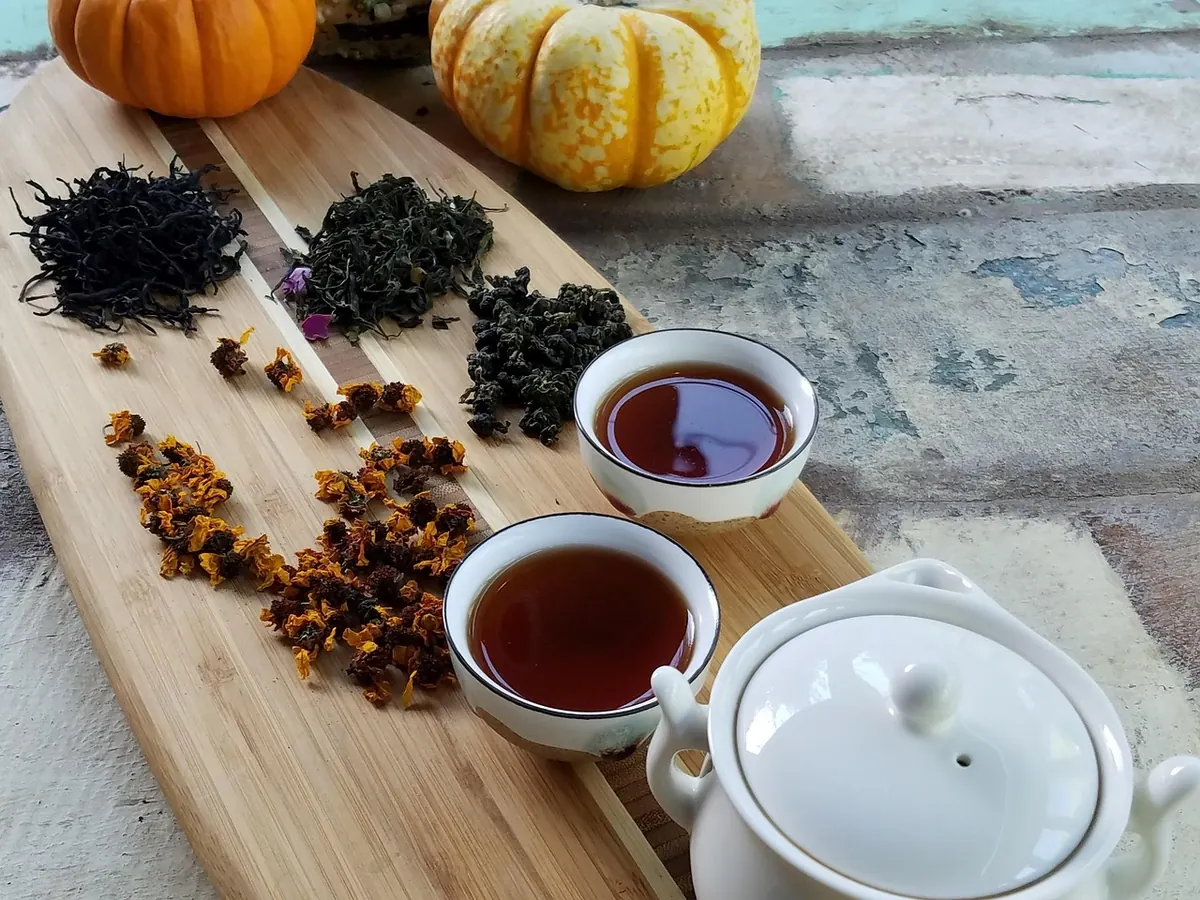
A 100–150 ml porcelain gaiwan is the most versatile piece of teaware you can own. It handles green, oolong, white, and pu'er, costs less than most electric gadgets here, and lets you taste a tea across five or six short infusions instead of one long steep. The trade-off is heat on your fingers and a small learning curve — pour over a tray or sink for the first week. If you mostly brew black tea in the morning, a small clay or ceramic pot with a built-in strainer will get more use.
Airtight tins, in small sizes
Tea goes stale from light, air, moisture, and stray smells. Small tins beat one big one: you open the container you're drinking from more often, so keep the rest sealed and out of the light. A cupboard away from the stove is better than a shelf above the kettle, where steam and heat do quiet damage. Buy several at once and label them; unidentified tins are how good tea becomes anonymous tea.
A simple tea tray
Not decorative, just functional. A lipped tray or a bamboo board gives you somewhere to pour, drip, and set a wet gaiwan, and it stops your desk from becoming a puddle. If you brew gongfu style, a tray with a hidden reservoir is worth the extra space.
Four Things You Can Skip
- Pod machines built for tea. You pay for a proprietary capsule system and lose control of leaf amount, temperature, and timing — the three variables that decide whether a cup is good. Whole-leaf tea in a basket is cheaper per cup and better in the glass.
- Ball-shaped infusers and novelty strainers. The ones shaped like animals, submarines, or tiny teapots are fun gifts and poor brewers. Tight mesh, no room for expansion, fiddly to clean, and they leak leaf bits into the cup.
- Clear glass canisters for long-term storage. Glass looks lovely on a shelf, but it does nothing to block light, which is one of the main spoilers of tea. Keep your display jars for the week's supply and store the rest in opaque, airtight tins.
- App-connected brewers and "smart" tea machines. A kettle, a scale, and a timer already do everything a Wi-Fi brewer does. These machines also lock you into preset programs that rarely match the tea actually in your tin, and they're a pain to clean — a real problem when the parts touch wet leaves.
How to Judge Any Tea Gadget in 30 Seconds
Before you buy, ask three questions. Does it hold water or tea I'll have to scrub out later? Does it fit the mug, pot, or shelf I already own? And does it do one job well, or several jobs badly? Anything that fails two of the three tends to end up in the drawer beside the submarine infuser.
There's also a version of this test for tea itself. If a product leads with dramatic health promises and treats the tea as an afterthought, the accessory is usually the real product. Talk to a doctor or dietitian about anything health-related rather than taking a gadget's word for it.
The Kit That Fits on One Shelf
Build in this order: scale, temperature-controlled kettle, basket infuser, then a gaiwan or small pot, tins, and a tray. That's six items, and for most drinkers it covers every tea they'll ever brew. Spread the purchases over a few months and put the difference into leaf — a modest oolong brewed with attention will beat an expensive one brewed badly every time.
Buy slowly, replace what breaks, and leave the rest on the shelf. The best tea setup is the one you use before you've finished waking up.
Photo: JillWellington / Pixabay
Autumn Tea Pairings: 6 Warming Teas and Simple Snacks for Cool Evenings
Six fall tea pairings that match spiced, roasted, and earthy brews with easy snacks — cardamom-apple...
How to Read Tea Labels: Decoding Origin, Grade, and Harvest Terms
Tea labels are easier to read once you know which words describe origin, grade, harvest, and freshness....
About Us