Cold Brew Tea 101: Ratios, Timing, and Best Teas for Iced Pitchers
Cold-brewed tea is not simply iced tea that happens to be cold. It is a different drink: rounder, softer, and nearly impossible to ruin the way a hot cup can be ruined by ten extra minutes. All it asks for is a pitcher, a fridge, and a little patience overnight.
The method fits in a sentence, but small choices — how much leaf, how long, which tea — decide whether you end up with something you crave or something that tastes like wet hay. Here is how to get the first one.
Why Cold Water Makes a Gentler Cup
Hot water is a blunt instrument. It pulls color, aroma, and caffeine out of the leaf in minutes, but it also drags out tannins and other astringent compounds that turn harsh once the tea cools down. Cold water works more slowly and, in practice, more selectively. Given eight to twelve hours, it extracts the amino acids and aromatics that read as sweet, floral, and savory, while leaving much of the bitterness behind.
The slower pace also means cold brewing forgives mistakes. Forget a hot cup for a quarter of an hour and it is finished. Forget a pitcher in the back of the fridge for an extra day and it is just stronger than you planned.
The Ratio That Actually Works
Start with roughly 1 gram of leaf per 100 ml of water for delicate teas, and push toward 2 grams per 100 ml for anything with more mass or less flavor. In pitcher terms, that looks like this:
- Green and white tea: 8–10 g of leaf per liter of water
- Oolong: 10–12 g per liter
- Black tea: 10–12 g per liter
- Herbal blends, rooibos, hibiscus: 12–15 g per liter
A level teaspoon of most loose leaf weighs somewhere between 2 and 3 grams, so a liter of green tea works out to about four teaspoons. If you are using bags, use one more bag than you would for the same volume of hot tea.
Volume measurements get unreliable fast, though. A tablespoon of silver needle weighs far less than a tablespoon of fine Ceylon, because one is all air and the other is dense. If you own a kitchen scale, this is the moment it earns its keep. Weigh the leaf once, note how it tastes, and adjust from there — that single habit will teach you more about your own taste than any chart.
Timing, and the Order of Operations
The fridge is your default. Most teas are ready in eight to twelve hours, which is convenient: build the pitcher before bed, strain it in the morning. Delicate greens taste best pulled a little earlier, around six to eight hours, before they start to go grassy. Herbal blends and rooibos can sit for twelve to sixteen hours without complaint.
If you want tea sooner, steep it on the counter instead. Room temperature speeds everything up, so two to four hours gets you a decent glass. Past four hours, move it into the fridge so it stays fresh. Either way, taste as you go. A spoonful at hour four tells you more than the clock does.
The whole process, in order:
- Put the leaf straight into a clean pitcher — no bag needed if you have a fine sieve for later.
- Pour in cold, filtered water and stir once so no leaf sits dry on the surface.
- Cover and refrigerate, or leave on the counter for a faster steep.
- Strain through a fine-mesh sieve or a coffee filter, taste, and note whether you want more leaf or less next time.
Which Teas Taste Best Cold
Almost everything works, but a few styles are especially good at it.
- Japanese greens. Sencha is the standout — sweet, marine, and vivid — and it holds up better cold than most greens do hot. Six to eight hours is plenty.
- White tea. Silver needle and white peony come out honeyed and delicate, with a melon-like softness. Eight hours, and don't dilute it too heavily.
- Light oolong. Baozhong, Tieguanyin, and many dancong oolongs give you florals and stone fruit with none of the roast. Ten to twelve hours.
- First-flush blacks. Darjeeling and lighter Ceylon teas keep their muscatel edge, while cold brewing smooths away the drying bite that makes them fussy as iced tea.
- Herbals and rooibos. Hibiscus, mint, lemongrass, and rooibos are built for this. They need the longest steep and take sweetening well.
Two caveats. Fragrant blends with fruit pieces and citrus peel do well cold, but creamy or dessert-flavored blends often taste flat, because the aromatics that make them appealing are more noticeable warm. Ripe pu'er cold brews into something earthy and smooth, but start with a shorter steep and taste as you go.
Water, Ice, and Sweetening
Cold brewing hides less. There is no heat to mask a chlorinated tap, so use filtered water if yours tastes like anything at all. Since you are not adding hot water at the end, sweetness has to dissolve in the cold — which sugar granules will not do. Make a simple syrup by stirring equal parts sugar and water over low heat until clear, then keep it in the fridge. Honey works too, but loosen it in a little warm water first.
Freeze leftover tea into cubes so a melting glass doesn't turn watery. Add lemon, lime, or milk at serving time rather than during the steep; dairy especially should go in at the end, once the tea is strained and cold.
Storage and Troubleshooting
Strain the leaf out before storing. Left in the pitcher, it keeps extracting, and by day two the tea turns bitter. Covered in the fridge, most cold brew keeps for three to four days. If it turns cloudy, thick, or sour-smelling, pour it out — that is not a flavor you can fix.
- Weak and watery? Add more leaf rather than more time. Longer steeping mostly adds bitterness.
- Bitter or drying? Too much leaf, too long, or very fine leaf. Fannings and dust brew quickly, so cut the time.
- Dull and lifeless? Likely old tea, or too little of it. Cold water cannot revive stale leaf.
- Wanting a second steep? Whole-leaf oolong and black teas often give a decent second pitcher at half the time. Greens and herbals rarely do.
One note worth keeping in mind: caffeine dissolves in cold water just as it does in hot, only more slowly. An overnight steep can pull a fair amount, so don't treat cold brew as a caffeine-free drink.
Make Your First Pitcher Tonight
Pick one tea you already like. Weigh out 10 grams into a liter pitcher, fill it with cold filtered water, and put it in the fridge before you go to bed. Strain it in the morning, taste it plain, then taste it over ice. If it is close but a bit thin, add two grams next time; if it is sharp, drop the time by two hours.
Two or three pitchers in, you will have your own ratio, and you will stop measuring altogether. That is the point. Cold brew rewards nothing so much as a little practice and a cold glass.
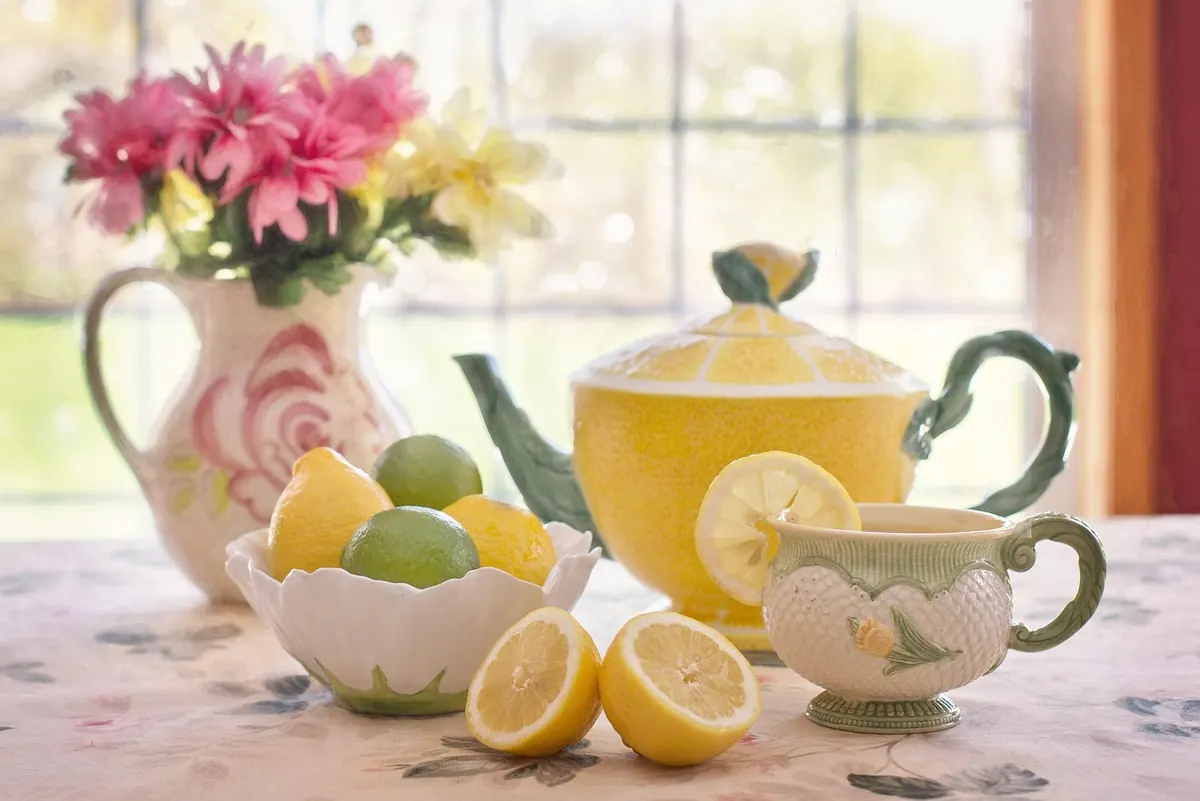
Photo: Rachel Claire / Pexels
Autumn Tea Pairings: 6 Warming Teas and Simple Snacks for Cool Evenings
Six fall tea pairings that match spiced, roasted, and earthy brews with easy snacks — cardamom-apple...
How to Read Tea Labels: Decoding Origin, Grade, and Harvest Terms
Tea labels are easier to read once you know which words describe origin, grade, harvest, and freshness....
About Us