Tea Bags vs. Loose Leaf: A Beginner's Guide to Flavor, Cost, and Convenience
Two cups of tea can come from the same plant, brewed in the same kitchen ten minutes apart, and taste like they arrived from different worlds. The difference is usually leaf size — and leaf size is exactly what separates the box of bags on the supermarket shelf from the tin at the tea shop.
Neither one is automatically the better buy. Bags solve real problems, and loose leaf asks something of you in return. What matters is knowing which trade you're making.
What Is Actually Inside a Tea Bag
Most supermarket bags hold fannings or dust: the small broken pieces left behind after whole leaves have been sorted out for sale. Picture a sieve rather than a leaf. Those fragments have a great deal of surface area, so water pulls color, caffeine, and tannins out of them in a hurry. That's why a bag goes dark within a minute — and turns bitter not long after.
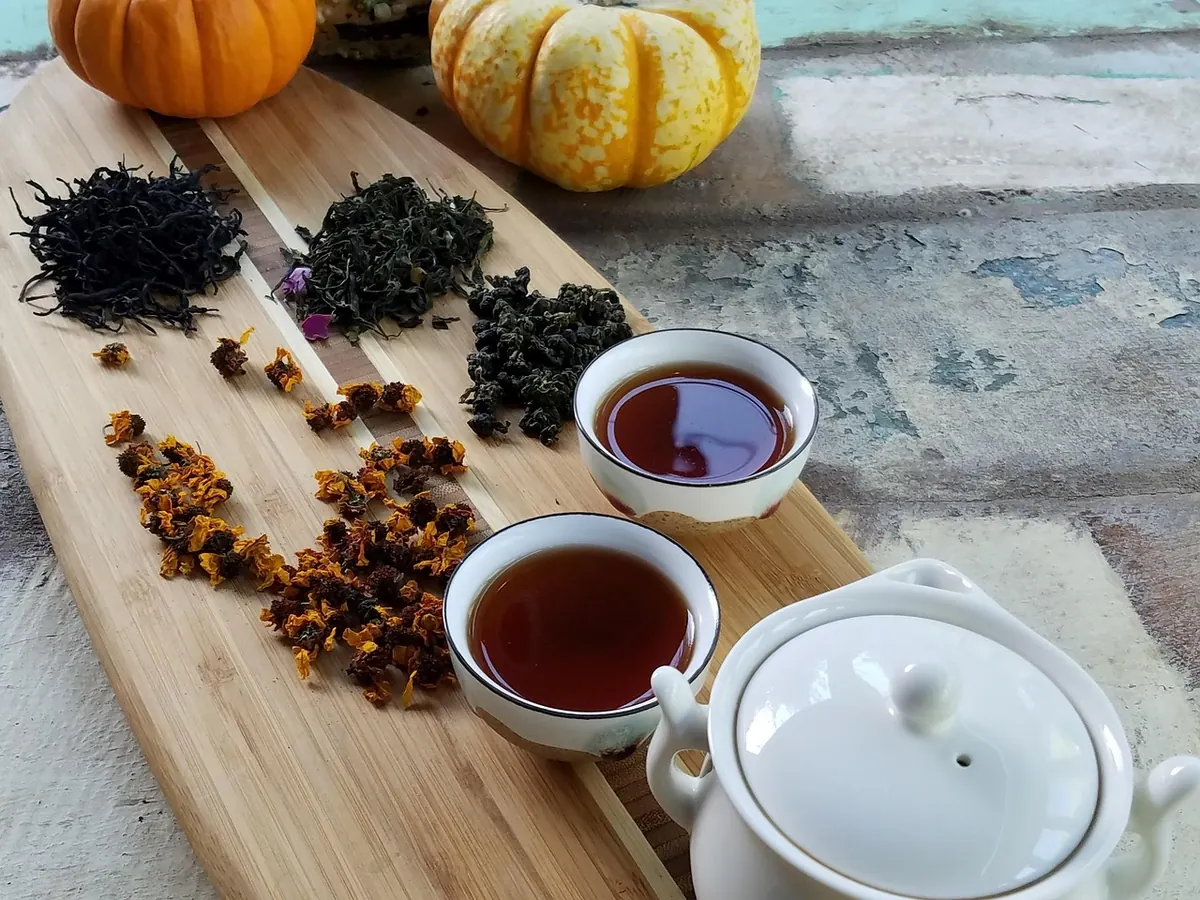
Loose leaf is graded by size and wholeness. Whole leaves, or large broken pieces, release their flavor more slowly, so the cup builds instead of arriving all at once. You also keep the aromatics that fannings tend to lose during processing and storage: the floral top notes in a Darjeeling, the roasted edge of a good oolong.
The exception worth knowing
Bagged tea isn't a quality category, it's a format. Plenty of companies now pack whole or large-leaf tea into sachets and pyramid bags, and those can be very good. The tell is in the bag itself: if it looks like fine powder, it's fannings. If you can see leaf shapes, someone made an effort.
How the Two Taste, Side by Side
The fairest comparison is the same style of tea brewed both ways. Buy a bagged English breakfast and a loose-leaf English breakfast, then taste them in the same mug on the same morning.
Expect a few consistent differences:
- Speed: the bag gives you color within a minute; the leaf needs two to four.
- Body: fannings often read as heavy and drying, with the flavor front-loaded and flat at the back.
- Astringency: a bag has a narrow window. At two minutes it's brisk; at five it's harsh. Whole leaf tolerates a longer steep.
- Finish: loose leaf tends to leave something behind after you swallow — sweetness, citrus, a mineral note. Bags often just stop.
None of that means the bag loses every time. If you drink your tea with milk and sugar, a strong, malty bagged blend can be exactly right. Fannings were practically built for that job.
The Cost Question: Per Cup, Not Per Box
Loose leaf looks expensive because you buy it by weight, and bags look cheap because you buy them by count. Compare the two per cup instead.
A workable starting measure for loose leaf is about 2 to 3 grams per 200–250 ml mug, which is roughly a teaspoon for most teas. A 100-gram tin therefore gives you somewhere around 35 to 50 mugs — and whole-leaf tea, especially oolong and whole-leaf green, will give up a second or third steeping from the same leaves. That multiplies your cups per gram again.
Then add the gear if you're starting from nothing: a basket infuser or a small pot. It's a one-time cost you'll use for years. Run the arithmetic with whatever you actually buy, your own mug size, and how many steepings you'll genuinely bother to make. For some drinkers, loose leaf comes out ahead. For others, the speed of a bag is worth a little more per cup. Both answers are honest.
Convenience: Where Bags Genuinely Win
No gear. No timer. No wet leaves to fish out of the sink. A bag works in a hotel room, at a desk, in a thermos, and at the back of a cupboard for two years. If you're making iced tea by the jug, bags are the sane choice.
Loose leaf asks for a few small habits: a strainer, somewhere to put the spent leaves, and a rough sense of time. That's the whole list. You don't need a gongfu set or a probe thermometer, and anyone insisting otherwise is selling something.
Brewing Loose Leaf Without the Ceremony
A simple weekday routine:
- Pick one tea you already like in bag form — English breakfast, jasmine green, a plain oolong.
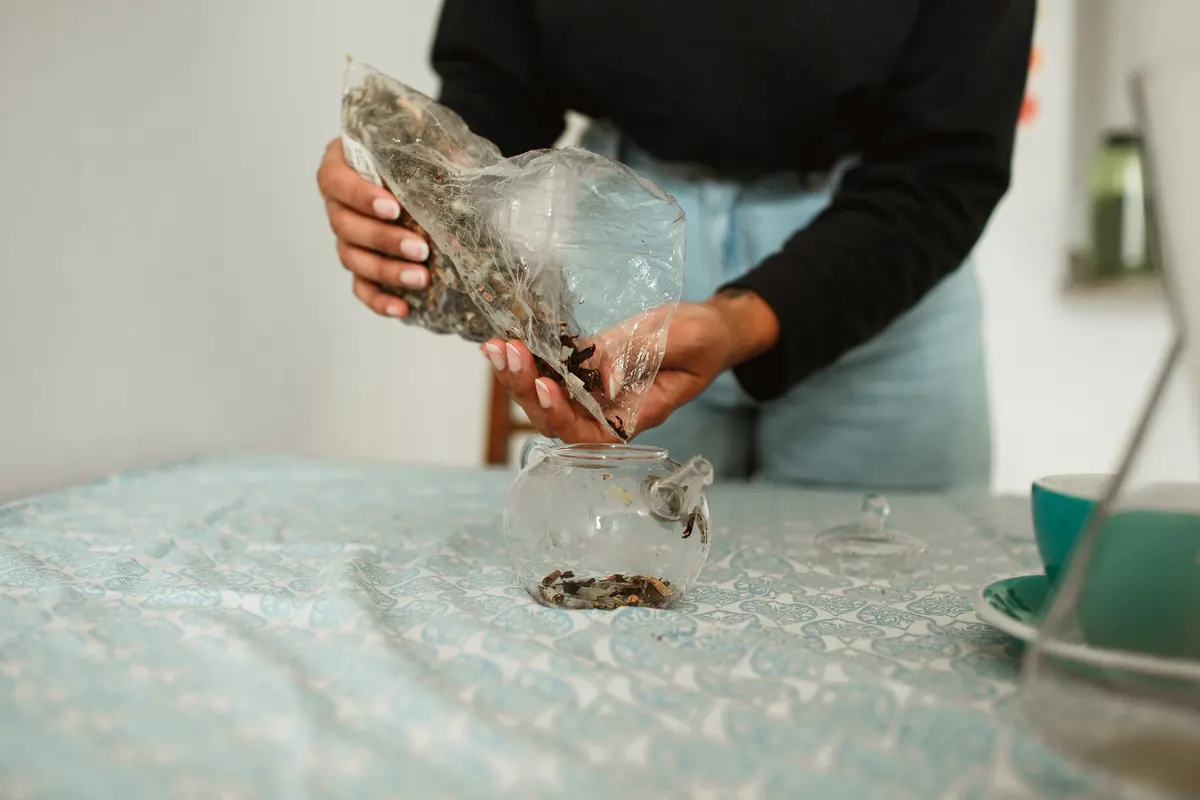
- Get a basket infuser wide enough for leaves to expand, not a narrow ball that crushes them.
- Use about a teaspoon per mug. Too weak? Add a little more next time. Too bitter? Use less or lift the basket sooner.
- Heat the water and let it rest. Black tea and pu-erh like it just off the boil; green and white prefer water that's cooled for a couple of minutes.
- Steep three minutes for black, two for green, then taste. Adjust the clock, not the tea.
- Keep the leaves and add fresh water for a second cup. With good oolong, the second steep is often the better one.
Two details matter more than leaf grade: fresh water and clean storage. Tea is mostly water, so if your tap water tastes flat or heavily chlorinated, filtered water will improve the cup. Keep leaves in an airtight tin away from light, heat, and spices — tea absorbs whatever sits next to it.
Choosing What Fits Your Week
Most people who drink a lot of tea end up with both. Bags for the office, the travel bag, and the iced tea jug. Loose leaf for the morning cup you actually sit with, and for teas you drink plain enough that the difference shows.
A sensible split: use bags where speed and cleanup matter, and spend loose-leaf money on the tea you drink most often without milk. One note if caffeine matters to you — levels vary widely by leaf, quantity, and steeping time, so treat "one cup" as a rough unit rather than a fixed dose. If a doctor has told you to watch your intake, check before making tea your all-day drink.
Start With One Tin
Buy small. Fifty grams, not two hundred, and choose a type you already know you like. Brew it beside your usual bag one morning, in the same mug, and taste them back to back. That single comparison will tell you more than any guide can.
If the loose leaf wins, you've found a new habit for a few dollars a week. If the bag holds its own, keep the bag, save the tin for weekends, and stop worrying about it. Either way, you'll know why you chose it.
Photo: Helena Lopes / Pexels
Autumn Tea Pairings: 6 Warming Teas and Simple Snacks for Cool Evenings
Six fall tea pairings that match spiced, roasted, and earthy brews with easy snacks — cardamom-apple...
How to Read Tea Labels: Decoding Origin, Grade, and Harvest Terms
Tea labels are easier to read once you know which words describe origin, grade, harvest, and freshness....
About Us