Matcha Grades Explained: Ceremonial, Premium, and Culinary Compared
A tin stamped "ceremonial" can cost several times more than one labeled "culinary," yet both hold powdered green tea. The difference is real, but it is not the tidy ladder the labels suggest. Grading is a convention, not a rule: no international body inspects a tin and certifies its rank. Knowing what each term usually signals, and how to test a powder yourself, keeps you from paying for delicacy you are about to bury under oat milk and vanilla syrup.
What Matcha Grade Labels Actually Mean
All matcha starts the same way. Tea plants are shaded for a few weeks before harvest, which raises chlorophyll and theanine and softens bitterness. The leaves are steamed, dried, stripped of stems and veins to make tencha, then ground slowly between stone wheels.
Grade comes from the choices made along that path: how long the plants were shaded, which harvest the leaves came from, how thoroughly stems and veins were removed, how fine and even the final mill is. Young first-harvest leaves with heavy shading and careful sifting become the top tier. Later flushes, coarser material and more stem content land lower. Freshness matters just as much, which is why a two-year-old ceremonial tin can taste flatter than a fresh premium one.
Ceremonial Grade: Built for Drinking Plain
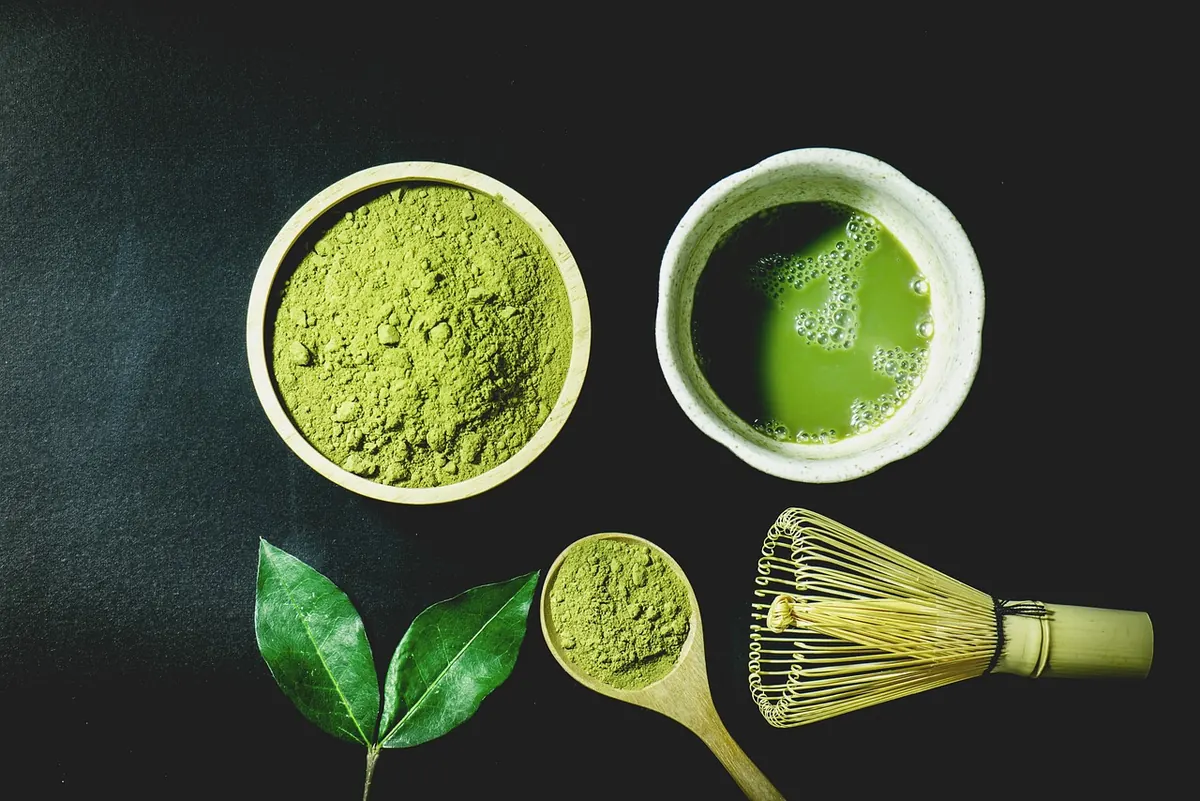
Ceremonial matcha is meant to be whisked with hot water and nothing else. Expect a bright jade color, a talc-like fineness, and a flavor that leans sweet, grassy and savory rather than sharply bitter. The aftertaste lingers in a pleasant, brothy way.
Use water around 70–80°C. Boiling water scorches the powder and turns a delicate bowl harsh, and no grade recovers from that. Sift the matcha through a small strainer first; clumps survive whisking and ruin the texture.
Usucha and koicha
Thin tea, or usucha, uses roughly a teaspoon of powder to about 70ml of water and whisks into a light foam. Thick tea, koicha, uses about double the powder with half the water and is stirred rather than whisked into a glossy, paint-like consistency. Only genuinely high-grade matcha works for koicha; lesser powders turn bitter and chalky when concentrated. If you mainly drink koicha, buy the best you can and use it sparingly.
Premium Grade: The Everyday Middle
Premium sits between the two extremes and is where most daily drinkers belong. It is usually still smooth enough to drink plain, but with more astringency and a slightly duller green than ceremonial. That extra bite is not a flaw — it is what lets the tea flavor survive a splash of milk.
This is the smart buy for weekday bowls, matcha lemonade, iced lattes with a little honey, and any drink where you want the tea to be present rather than merely suggested. Brands sometimes call it "latte grade," "café grade," or simply "daily." Treat those names as marketing, but the underlying powder is usually sturdier and cheaper than ceremonial, and better suited to your routine.
Culinary Grade: Made for Butter, Sugar and Heat
Culinary matcha comes from later harvests, is often less shaded, and carries more stem and vein material. The grind tends to be coarser. The result is a stronger, more bitter, more astringent powder with an olive rather than emerald tone.
Whisked plain, it can be harsh and drying. Folded into cookie dough, churned into ice cream, blended into a smoothie with banana, or shaken into a sweet latte, it holds its own in a way delicate ceremonial matcha never could. Save the expensive tin for the bowl; use culinary for the oven.
Matcha Grade Cheat Sheet
- Ceremonial: first-harvest young leaves, long shading, very fine. Sweet, low bitterness. Drink it plain with hot water.
- Premium: solid first or second harvest, still drinkable plain but more assertive. Best all-rounder for milky drinks and daily bowls.
- Culinary: later harvest, less shading, coarser grind, more bitterness. For baking, blending, sweetened lattes and dusting.
- Watch for: vague terms like "superior" or "grade A," which mean whatever the seller wants them to mean.
How to Judge a Powder Without Trusting the Label
Labels get you in the right neighborhood. Your senses do the rest. Try this the day a new tin arrives, before you commit to a full bowl:
- Smell it. Fresh matcha smells sweet, green and slightly marine, like cut grass near the sea. Hay, cardboard or a fishy note means it is old or badly stored.
- Rub a pinch between your fingers. Good powder disappears into the skin like flour. Grit suggests a coarse mill or too much stem.
- Look at the color. Bright jade points to young shaded leaves. Dull olive or brownish tones usually mean lower grade or age.
- Taste a small pinch dry. Sweet and vegetal is a good sign. Instant, gripping bitterness is not.
- Whisk a test bowl. Fine matcha suspends evenly and foams. If it settles into sludge at the bottom of the cup, keep it for baking.
Also look for a harvest date or lot code rather than a best-before year, and consider origin. Uji, Nishio, Yame and Kagoshima are well-known growing regions, though good matcha comes from elsewhere too. None of this guarantees quality on its own, but a producer confident enough to date the harvest usually has reason to be.
Storing and Using What You Buy
Matcha is fragile. Buy the smallest tin you will finish in a month or two, keep it airtight and away from light, and store it in the fridge if your kitchen runs warm. Let the tin come to room temperature before opening, or condensation will dampen the powder. Once opened, use it rather than hoard it; there is no aging gracefully here.
One more practical note: matcha contains caffeine, so if you are sensitive or pregnant, keep an eye on how much you drink and check with a health professional if you are unsure what suits you.
Pick the Powder for the Cup You Actually Drink
Start with what goes in your mug. If you drink matcha plain, two or three times a week, buy the best ceremonial or premium tin you can justify and treat it well. If your default is a tall iced latte with milk and a little sweetness, a good premium or even culinary powder will taste better in that drink than an expensive ceremonial one, because the milk mutes exactly the qualities you paid for.
Keep two tins if your habits are mixed: one modest powder for baking and blending, one finer one for quiet bowls. Buy small, taste before you commit to a large order, and let your own palate outrank the word printed on the lid.
Photo: dungthuyvunguyen / Pixabay

Autumn Tea Pairings: 6 Warming Teas and Simple Snacks for Cool Evenings
Six fall tea pairings that match spiced, roasted, and earthy brews with easy snacks — cardamom-apple...
How to Read Tea Labels: Decoding Origin, Grade, and Harvest Terms
Tea labels are easier to read once you know which words describe origin, grade, harvest, and freshness....
About Us